Guides
Practical microgreens guides: seeds, trays, watering, harvesting, storing and the steps that keep every tray growing well
 Start here · Guide
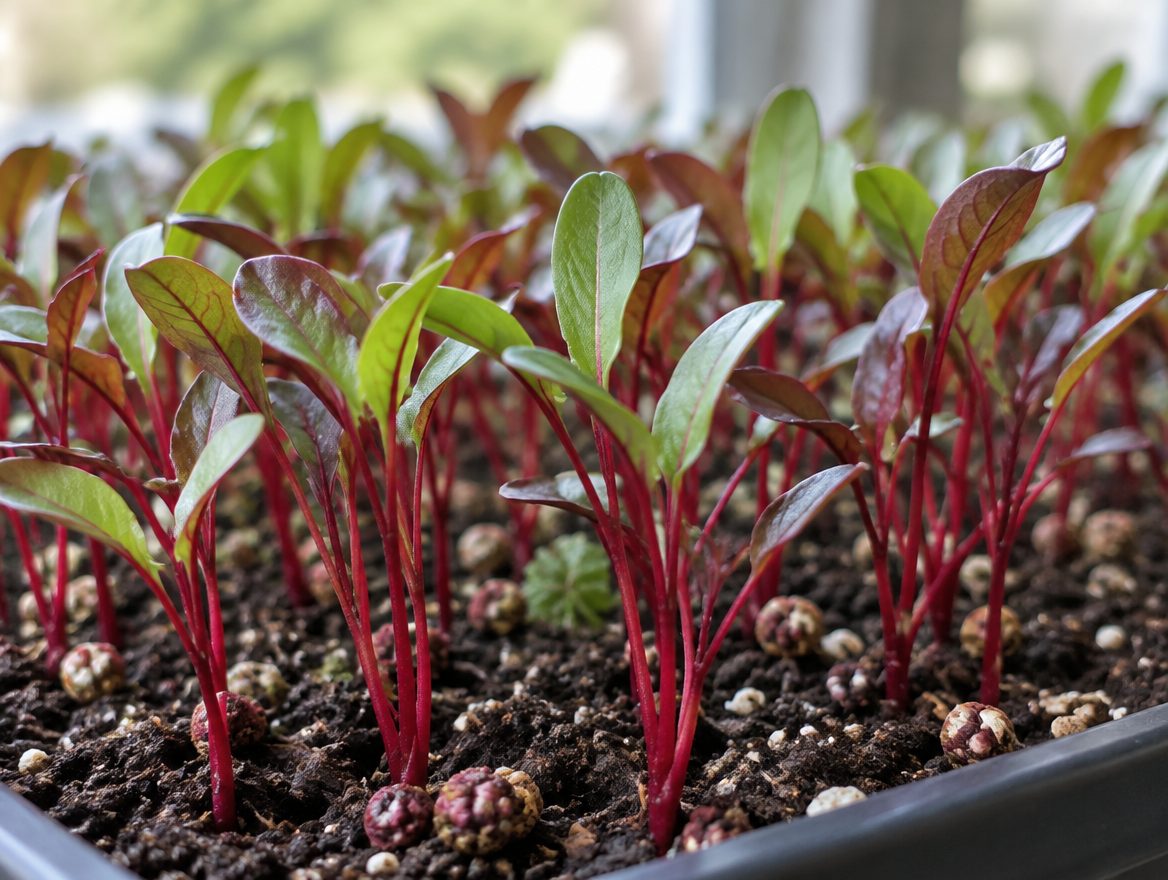
Blackout Method for Microgreens: Cover, Weight, Uncover
The blackout method for microgreens: sow, cover the tray in the dark with a weight, then uncover to light. Includes covered days for popular varieties.
 Start here · Guide
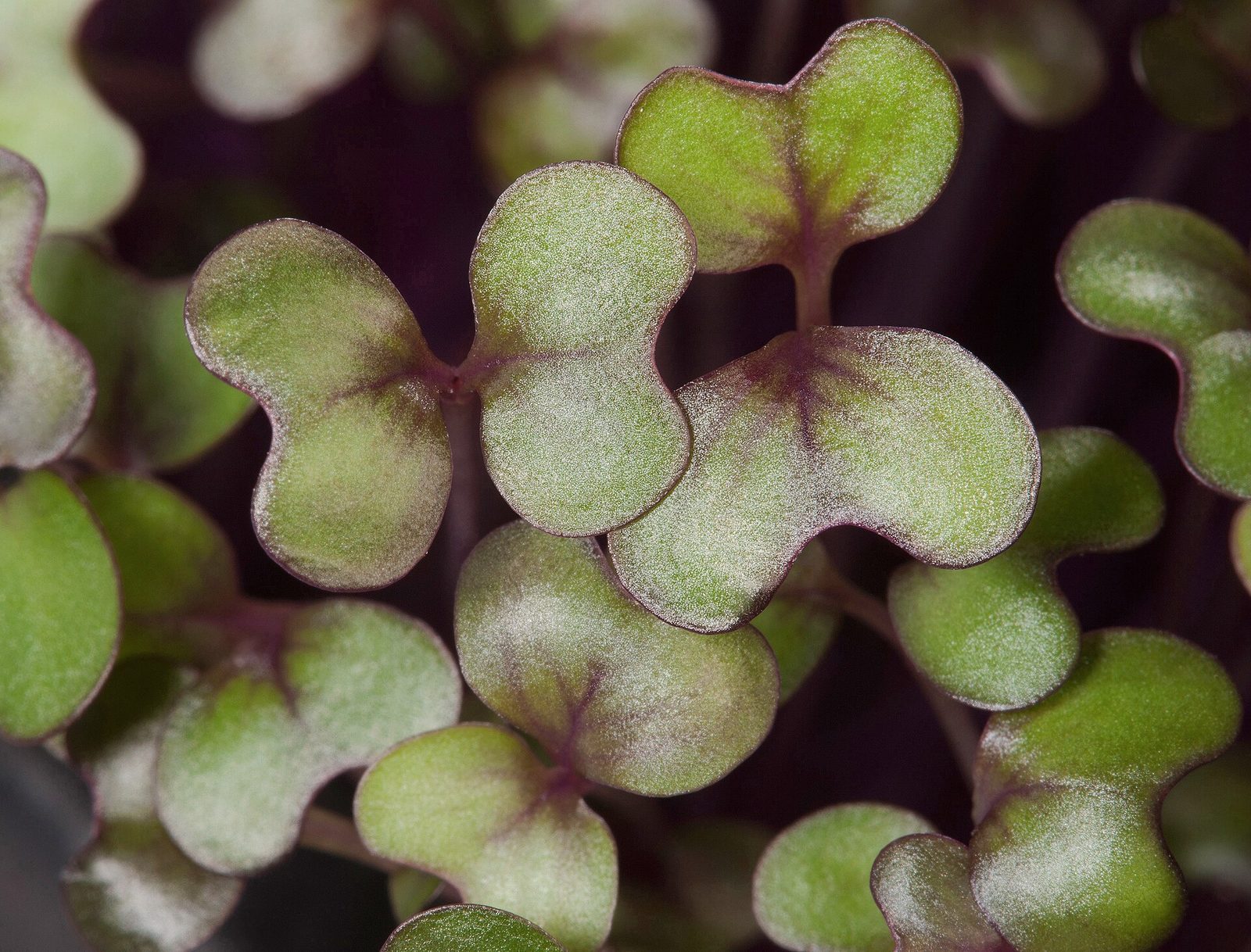
Grow Lights for Microgreens: Hours, Setup and Timing
Grow lights for microgreens: how many hours of light extension guides recommend (16 to 18), what kind of lights work and how to run a lights-on schedule.
 Start here · Guide
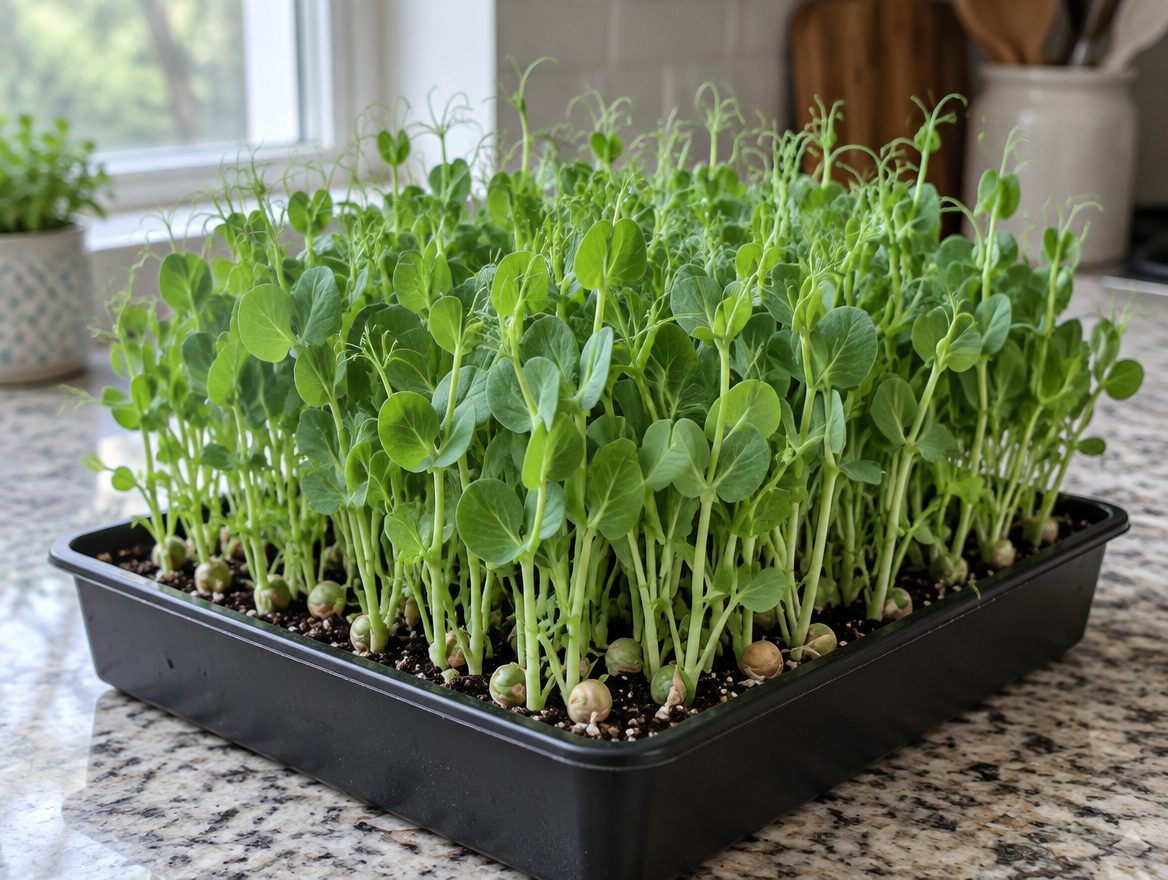
Growing Medium for Microgreens: Mix, Coir or Mats
Choose a growing medium for microgreens: seed-starting mix, coconut coir, seeding mats or potting soil. See what extension guides say and how to fill the tray.
 Start here · Guide
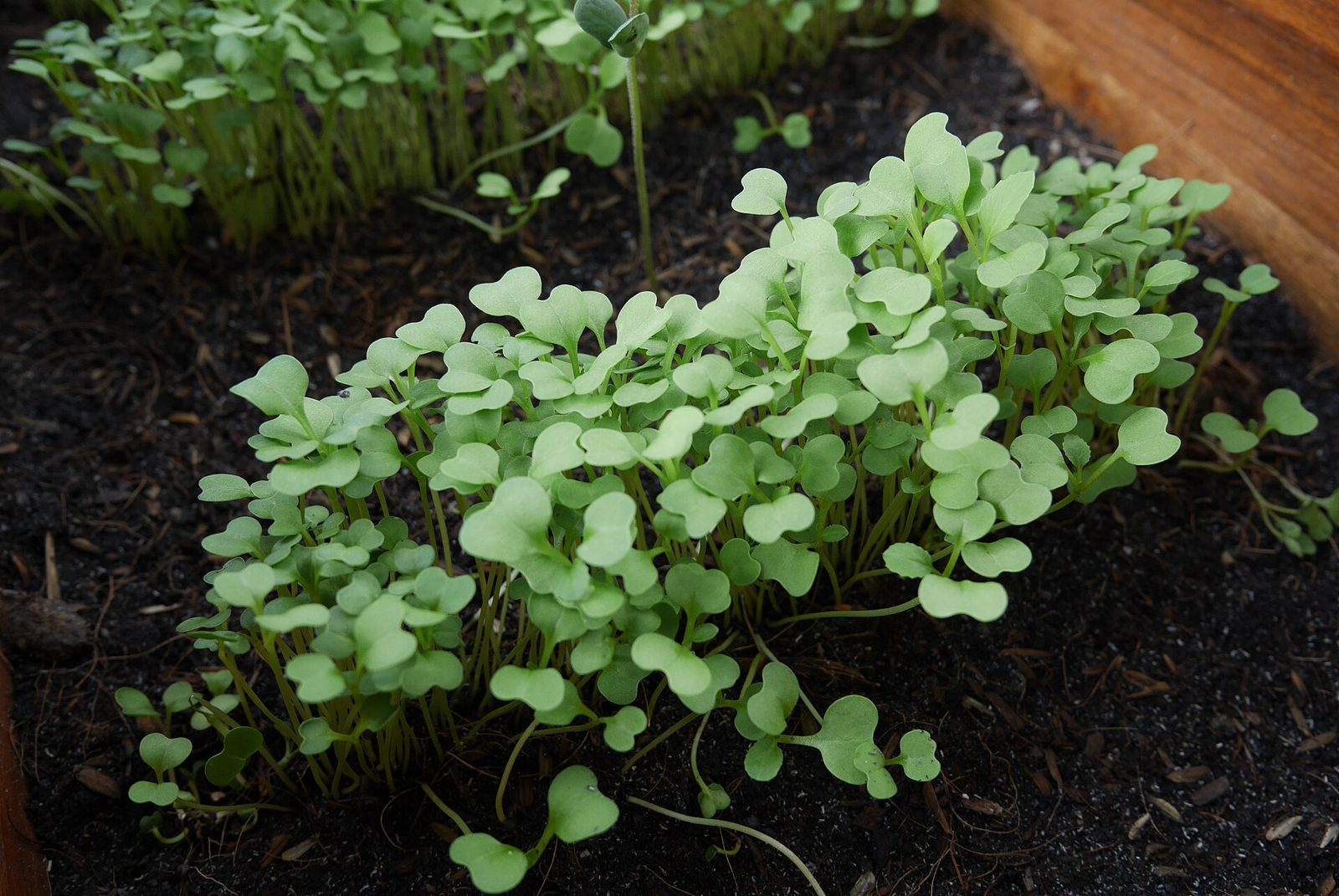
Growing Microgreens at Home: Setup, Supplies and Schedule
Growing microgreens at home takes one tray, a medium, seed and a bright spot. See the supplies, the weekly schedule and how to keep fresh trays coming.
 Start here · Guide
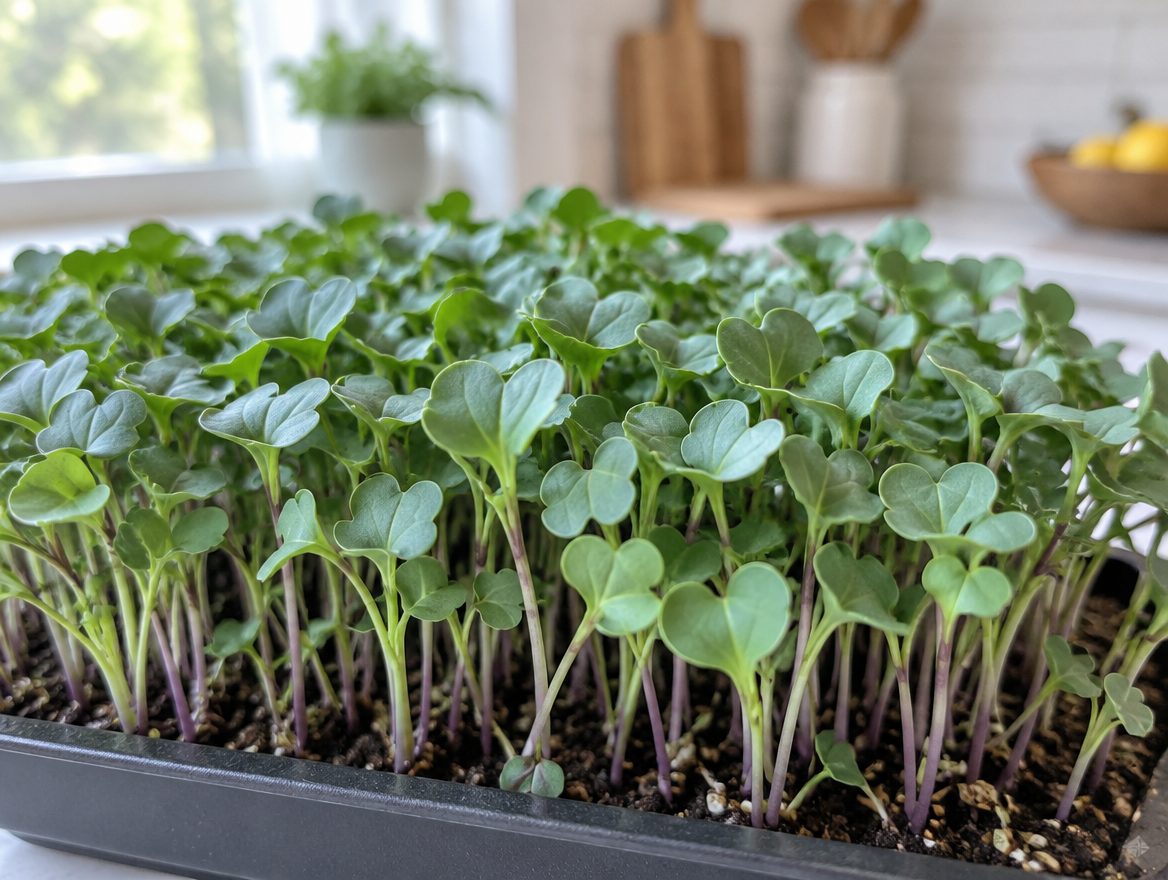
Harvesting Microgreens: When and How to Cut
Harvest microgreens at the right moment: look for first true leaves or 2 to 4 inches, cut above the medium with sharp scissors and plan the next tray.
 Kitchen · Guide
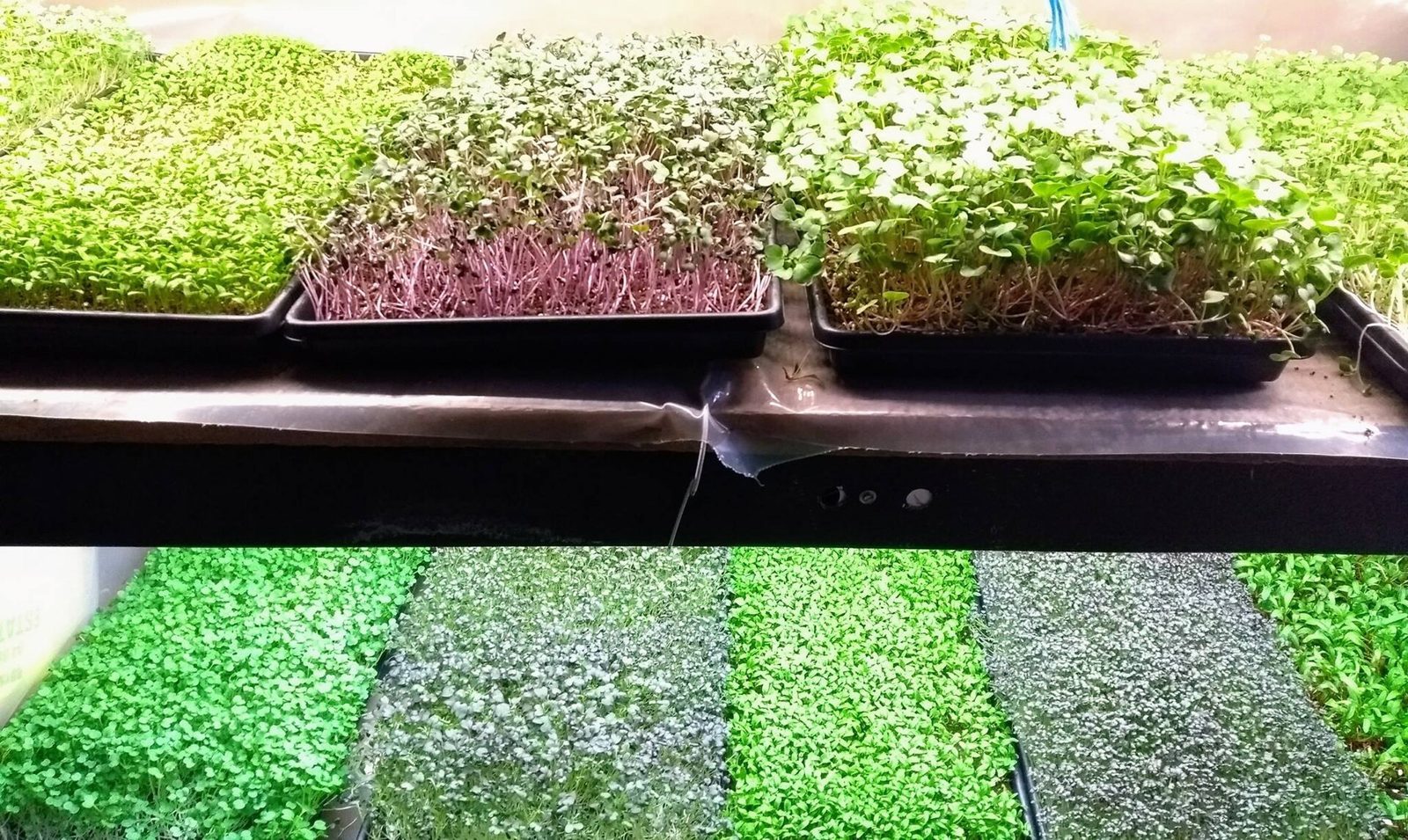
How to Eat Microgreens: Serving Ideas and Flavor Guide
How to eat microgreens: simple ideas for salads, sandwiches, avocado toast, eggs and soups, plus a flavor guide from peppery arugula to sweet pea shoots.
 Start here · Guide
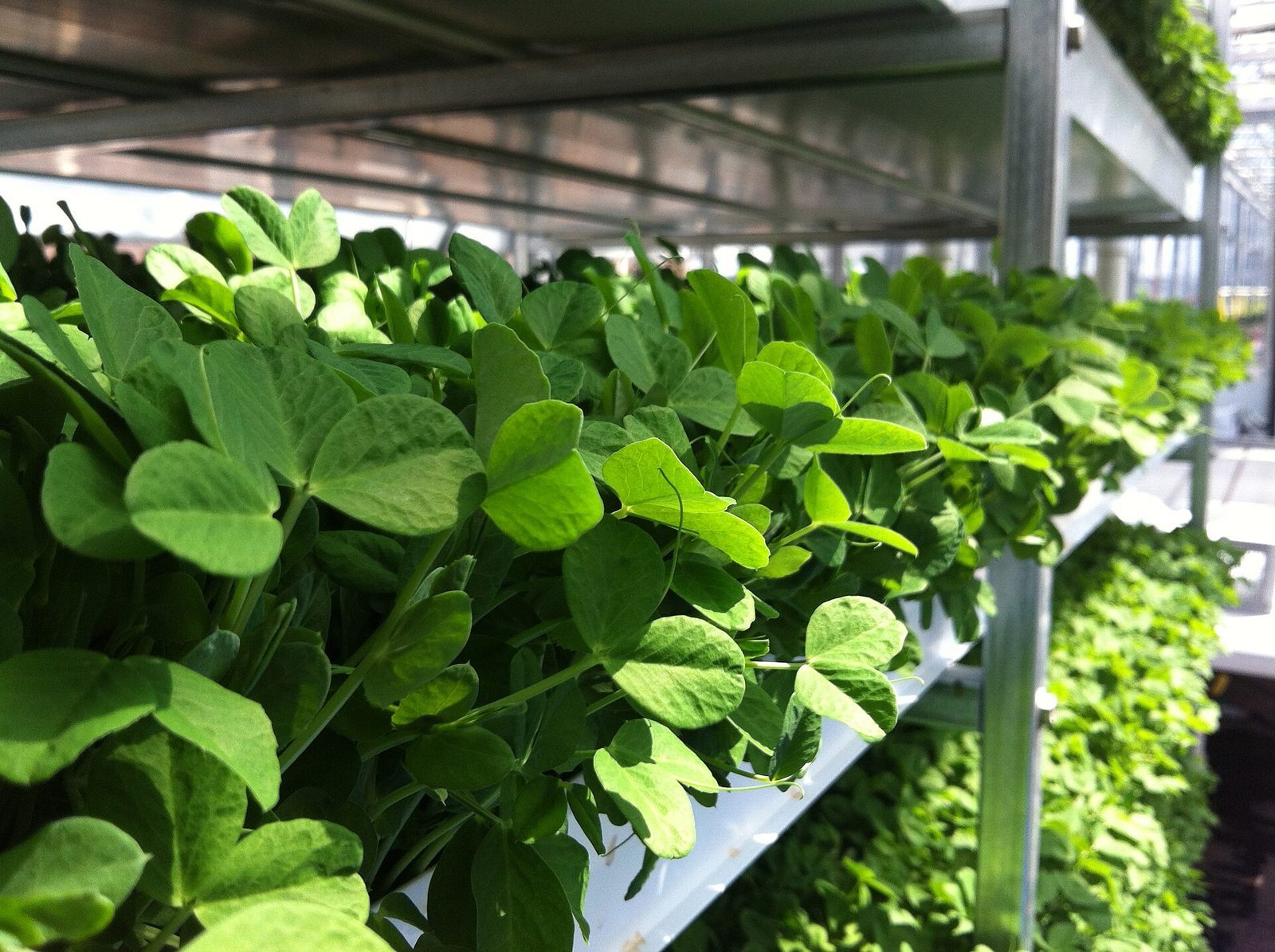
How to Grow Microgreens: Step-by-Step for Beginners
How to grow microgreens at home in 7 to 21 days: trays, seed, medium, blackout, light, watering, harvest and storage, with a clear step-by-step method.
- Nutrition · Guide
Microgreens Benefits: Are Microgreens Good for You?
Microgreens benefits in numbers: USDA studies found about 5 times the vitamins and carotenoids of mature leaves. See nutrient amounts by variety per 100 g.
 Start here · Guide
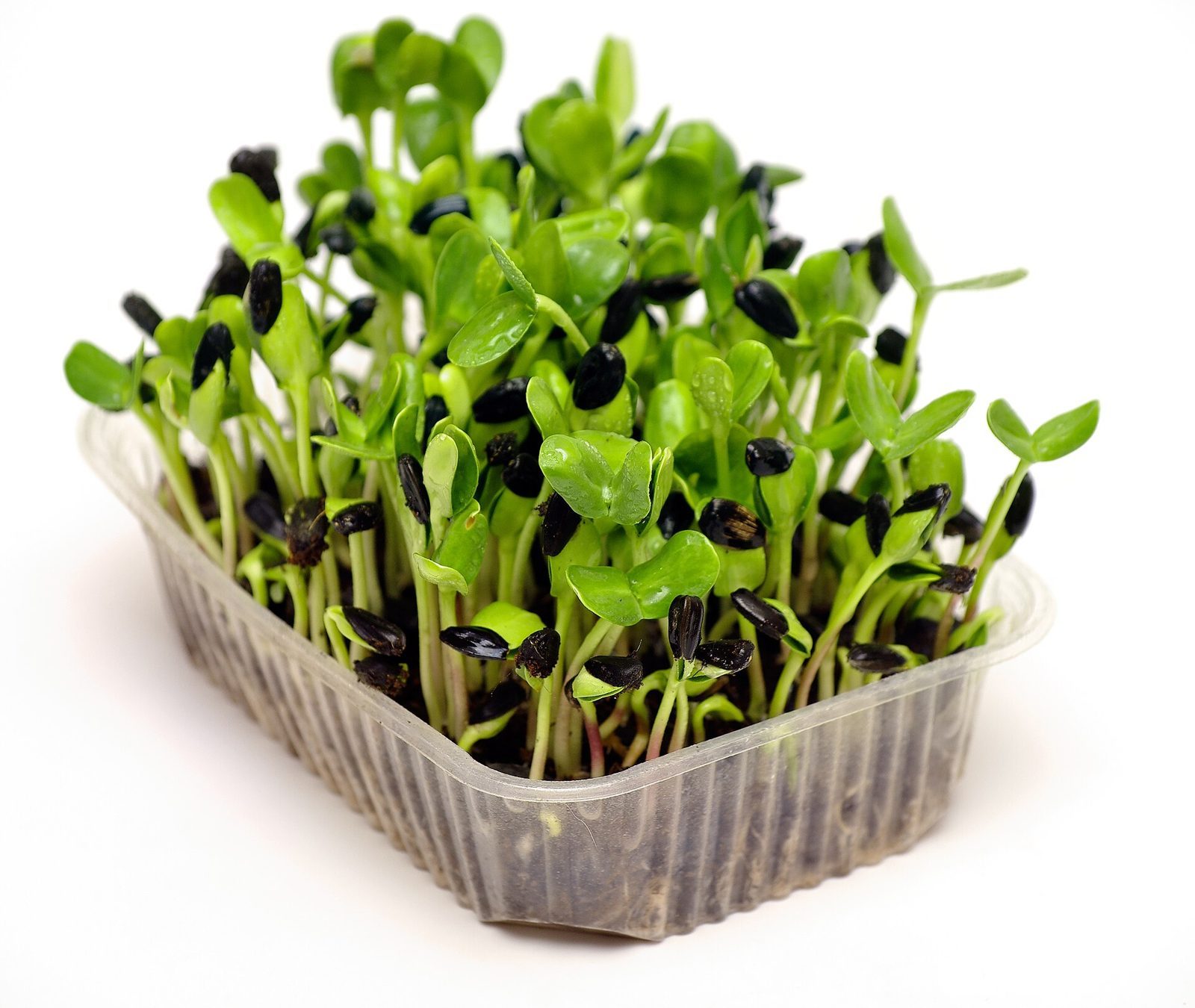
Microgreens on a Windowsill: Growing With Window Light
Grow microgreens on a windowsill with natural light: choosing the window, the tray, rotating for even growth and the temperatures extension guides recommend.
 Start here · Guide
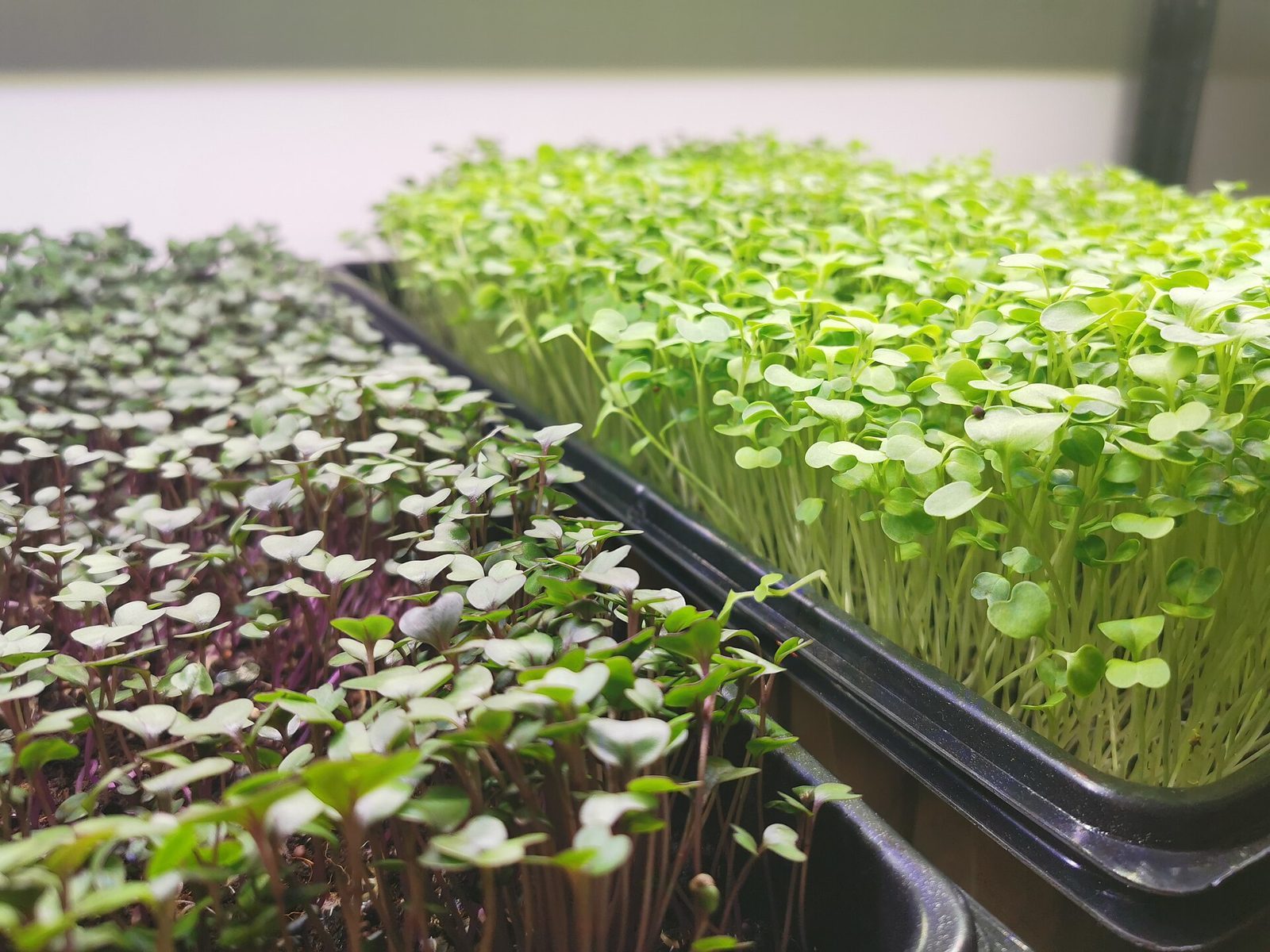
Microgreens vs Sprouts: What Sets Them Apart
Microgreens vs sprouts compared: how each is grown, what part you eat, how long they take and where each fits in your kitchen. A clear side-by-side guide.
 Start here · Guide
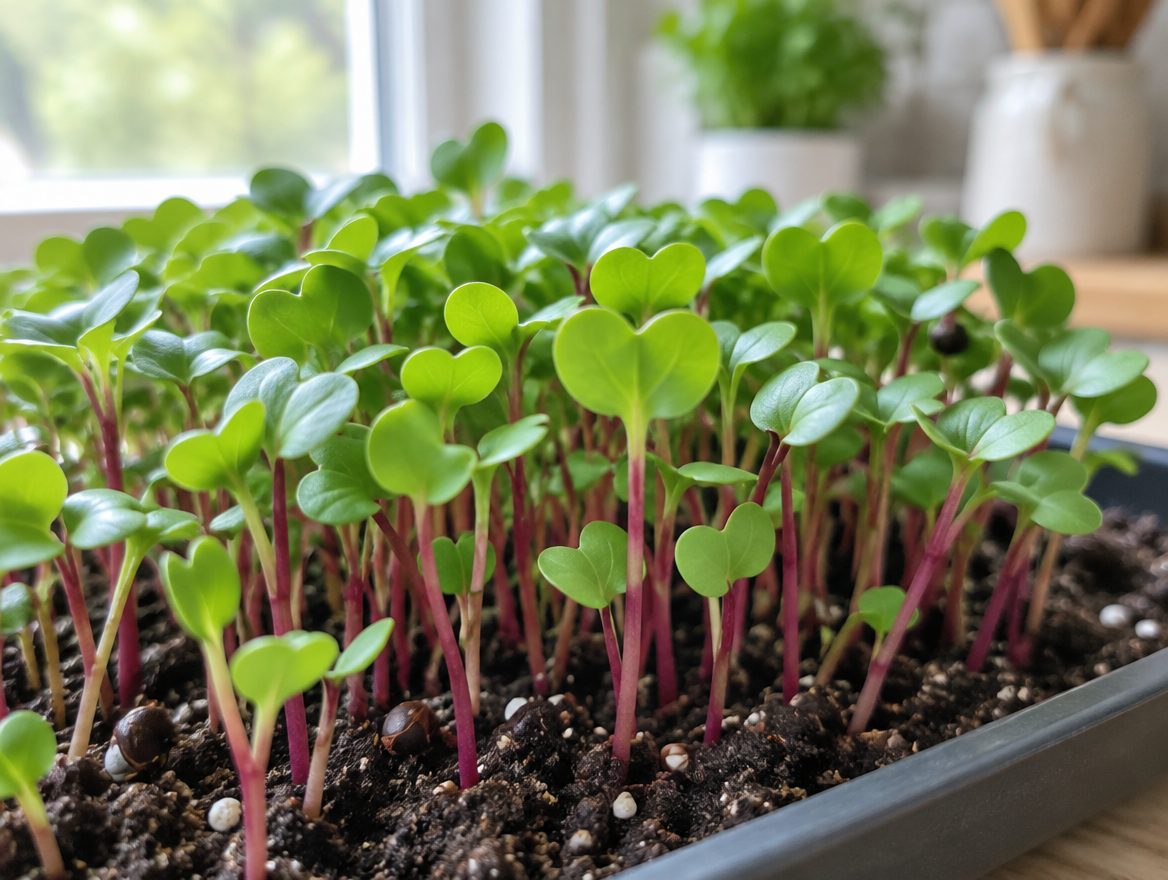
Microgreens Without Soil: Coco Coir, Mats and Soilless Mix
Grow microgreens without soil using coconut coir, seeding mats or a soilless seed-starting mix. Learn how to prepare each and the cleaner harvest mats give.
- Nutrition · Guide
Most Nutrient Dense Microgreens: Top Variety per Nutrient
Most nutrient dense microgreens by nutrient: red cabbage, cilantro, garnet amaranth and daikon radish lead in a USDA study. See the top variety per nutrient.
- Grow to sell · Guide
Selling Microgreens: Markets, Packaging and Shelf Life
Selling microgreens: where growers sell (restaurants, farmers' markets, grocery, CSA), how to pack them, and how cold storage gives 10 to 14 days of shelf life.
 Start here · Guide
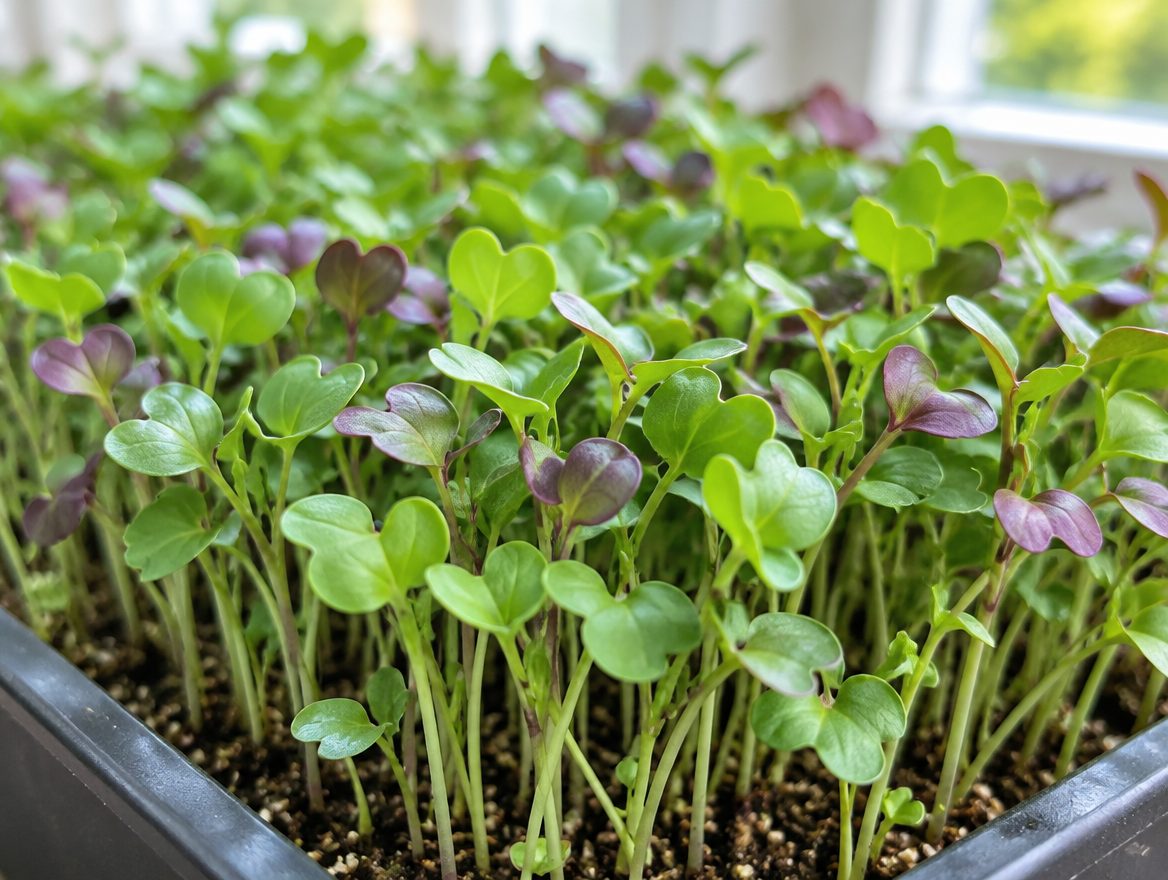
Storing Microgreens: Keep Them Fresh for 10 to 14 Days
Storing microgreens for longer freshness: cold, dark storage at 41 F can extend shelf life to 10 to 14 days. Learn the steps from cut to fridge.
 Start here · Guide
Watering Microgreens: Bottom Watering and Misting
How to water microgreens: bottom watering, spray-bottle misting and pre-moistened medium, plus how often and how to keep the tray evenly moist.
- Start here · Guide
What Are Microgreens? Definition, Types and Harvest Stage
What are microgreens? Young seedlings cut at the base, usually 1 to 3 inches tall, ready in 7 to 21 days. See the stage, common types and how to start.