

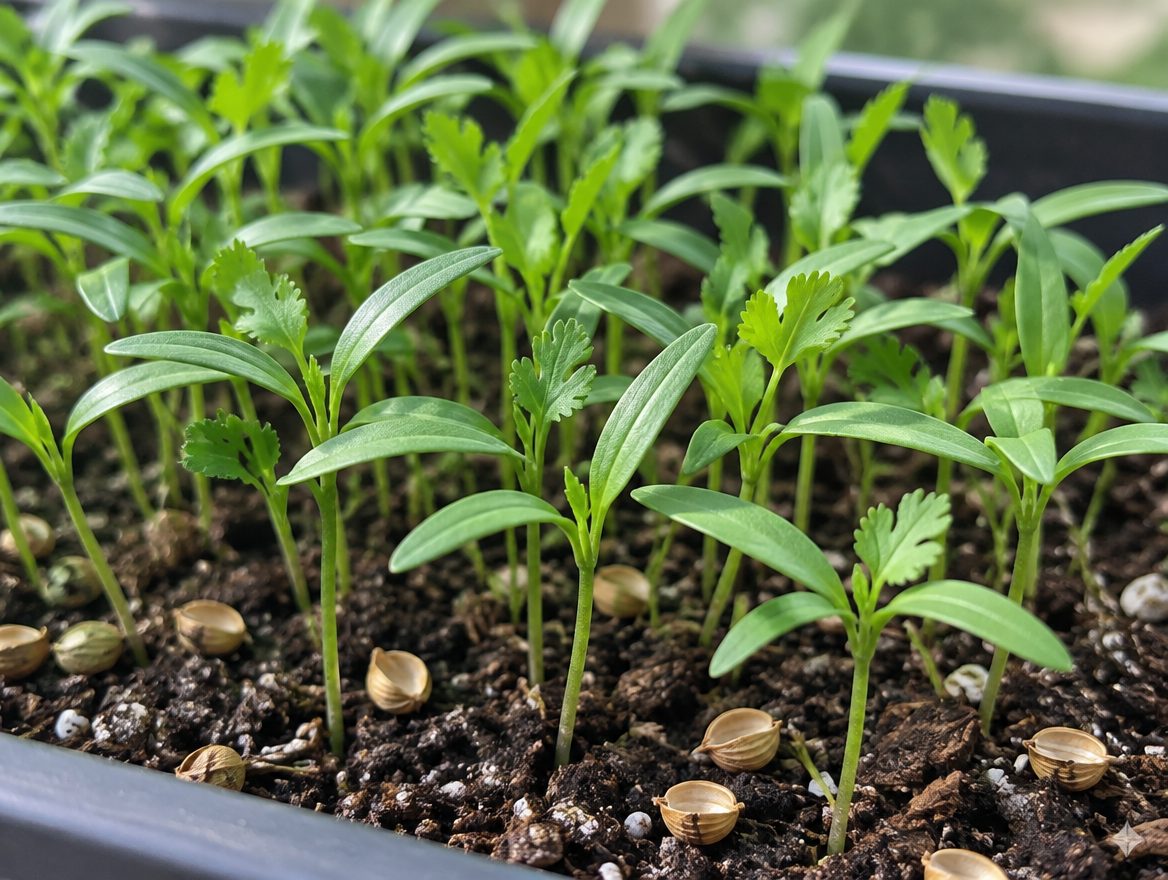
Cilantro microgreens give you the fresh, familiar herb flavor in a tiny leaf, and they reward patience: sow 28 g of seed per 10×20 inch tray, keep it covered for 7 to 14 days, and cut in about 21 to 28 days. Utah State Extension’s chart lists that schedule, and Mississippi State reports 16 to 25 days. Cilantro is also the variety that came out on top for carotenoids in a USDA Agricultural Research Service study of 25 commercial microgreens. It is a good next step after the microgreens for beginners, and the fastest microgreens table shows how its timing compares. New to the method? How to grow microgreens covers the steps every variety shares.
- Seed per 10×20 tray
- 28 g
- Soak
- Optional, 6–12 hours
- Blackout (covered)
- 7–14 days
- Days to harvest
- 21–28 days
- Harvest at
- 2–3 inches tall, first true leaves forming
- Flavor
- Cilantro
- Regrows
- No, start a new tray
Sowing cilantro microgreens
Utah State lists 28 g of cilantro seed for a 10×20 inch tray. Soaking is a matter of preference: Utah State’s presoak column says no, while Maryland lists cilantro with pea, sunflower, beet and a few others where 6 to 12 hours in water speeds up germination. If you would like a faster start, a soak is an easy extra step. Sow thickly and evenly over a pre-moistened medium (Penn State, Maryland). The seed calculator scales the figure to your tray.
Penn State lists peat-based mixes, coconut coir and fiber mats as the common media. Start clean: choose seed sold for microgreens or marked untreated (Clemson), wash the tray with soap and water, and use fresh water for soaking and watering.
Cover and blackout
Cilantro sits at the longest end of Utah State’s covered-time column, 7 to 14 days. Keep the tray under a cover that holds in warmth and moisture, and look at it every few days, venting any humidity cover now and then, as Maryland suggests. Once the stems are up, move the tray into the light.
Light and watering
Natural window light or grow lights both work. Utah State runs lights for 18 hours and dark for 6, and Maryland recommends about 16 hours total. Maryland suggests 70 to 75°F. Water from below by setting the tray in a shallow tub until the medium is damp, then drain (Penn State), and keep air moving with a gentle fan or an open window (Maryland, Penn State). The harvest planner is especially handy for a slower variety like this one, because it shows when the cover comes off and when the harvest window opens.
Harvest
Utah State lists 21 to 28 days. Mississippi State lists 16 to 25 days and groups cilantro with beets, red amaranth, carrots, chard and basil. Maryland describes cilantro as slow-growing, and its general size guide is 2 to 3 inches tall. Cut just above the medium with clean, sharp scissors and leave the roots (Penn State). Seedlings do not regrow after cutting (Maryland, Oregon State), so the next tray gets fresh medium. Penn State’s grower table lists cilantro at 46.8 g per tray.
Because the cycle is long, start your cilantro tray first when you are planning a week of trays, and add faster varieties such as arugula or radish around it. Store the harvest in a clean plastic bag in the refrigerator (Clemson). Penn State reports 10 to 14 days at 41°F in the dark.
Flavor and color
Utah State lists the flavor simply as cilantro, which is exactly what you get: the fresh, bright herb in miniature. Use it wherever you would use chopped cilantro, and pair the trays with basil microgreens, which are also a slower, aromatic variety.
How to use cilantro microgreens
- Scatter over tacos, burrito bowls or fresh salsa.
- Stir into rice, noodle dishes or curries at the end.
- Top a bowl of soup or a lime-dressed salad.
- Mix into yogurt or avocado dips.
- Use as a garnish on grilled fish, chicken or roasted vegetables.
What’s in it
Cilantro had the highest carotenoid concentration of the 25 commercial microgreens in a USDA Agricultural Research Service study.
- Carotenoidsranking
- Highest of 25
- Beta-carotene across all 25range
- 0.6–12.1 mg
- Lutein/zeaxanthin across all 25range
- 1.3–10.1 mg
See microgreens nutrition for how these figures fit the wider USDA studies.
Keep the supply going
A long cycle suits a rolling schedule. Oregon State suggests starting just enough for the household and planting more every few days, which means a cilantro tray started this week is the one you cut in three or four weeks while newer trays follow behind. Use shallow trays with drainage holes that are clean and suitable for food, as Penn State recommends; Utah State notes that 1020 trays, pie tins and takeout containers all work. Refill with fresh medium after each cut (Penn State).
Plan your tray
Plan your harvest
Frequently asked questions
How long do cilantro microgreens take to grow?
Utah State lists 21 to 28 days and Mississippi State lists 16 to 25 days, grouped with beets and basil. Cilantro is a slow variety, so plan ahead and start the next tray early.
How much cilantro seed goes in a tray?
Utah State uses 28 g of seed per 10×20 inch tray. The seed calculator on this site scales it to other tray sizes.
Should cilantro seed be soaked?
Sources differ. Utah State's chart marks cilantro as no presoak, while Maryland lists cilantro among the seeds where a 6 to 12 hour soak speeds germination. Either approach is fine, and soaking is a simple option if you want faster sprouting.
How long is cilantro kept covered?
Utah State lists 7 to 14 days covered, the longest covered period in its chart. Plan a patient start and check the tray every couple of days.
Which microgreen has the most carotenoids?
In a USDA Agricultural Research Service study of 25 commercial microgreens, cilantro had the highest carotenoid concentration.
Sources
- Grow Your Own Microgreens, Utah State University Extension
- Growing Microgreens for the Mississippi Gardener, Mississippi State University Extension
- Growing Microgreens and Baby Greens Indoors, University of Maryland Extension
- A Step-by-Step Guide for Growing Microgreens at Home, Penn State Extension
- Growing Microgreens, Penn State Extension
- Growing Microgreens, Clemson Cooperative Extension, Home and Garden Information Center
- Assessment of vitamin and carotenoid concentrations of 25 commercial microgreens, USDA Agricultural Research Service
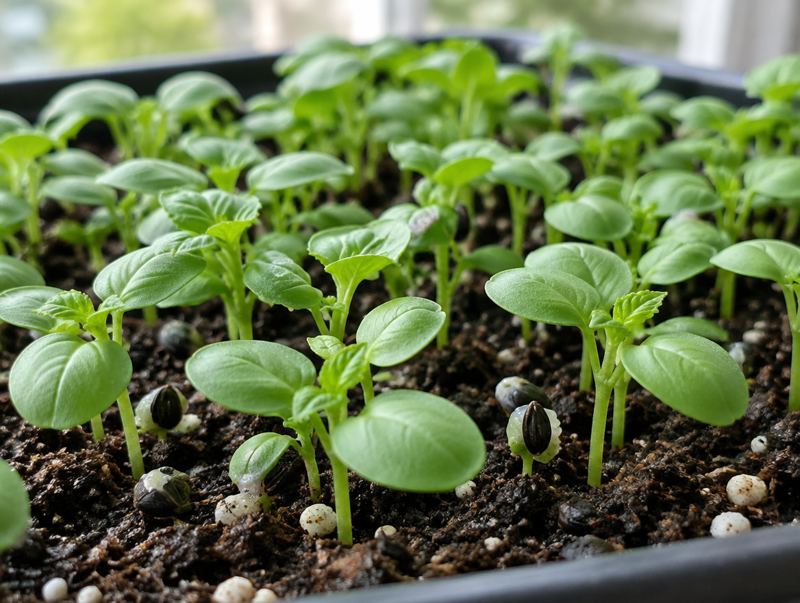 Basil
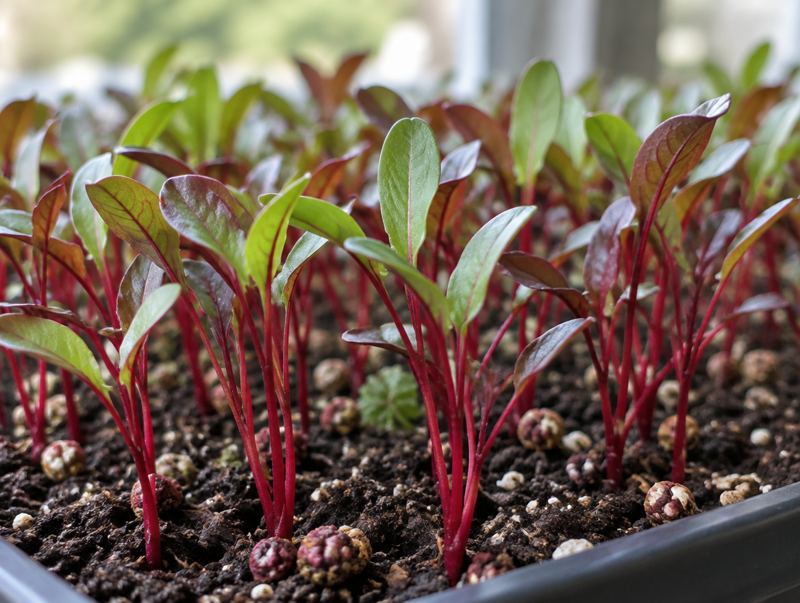 Beet
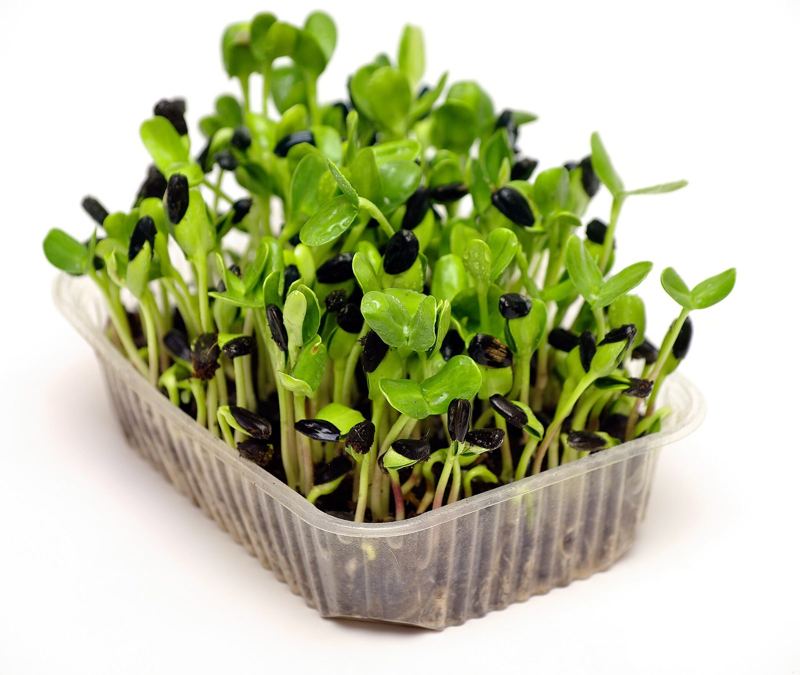 Sunflower